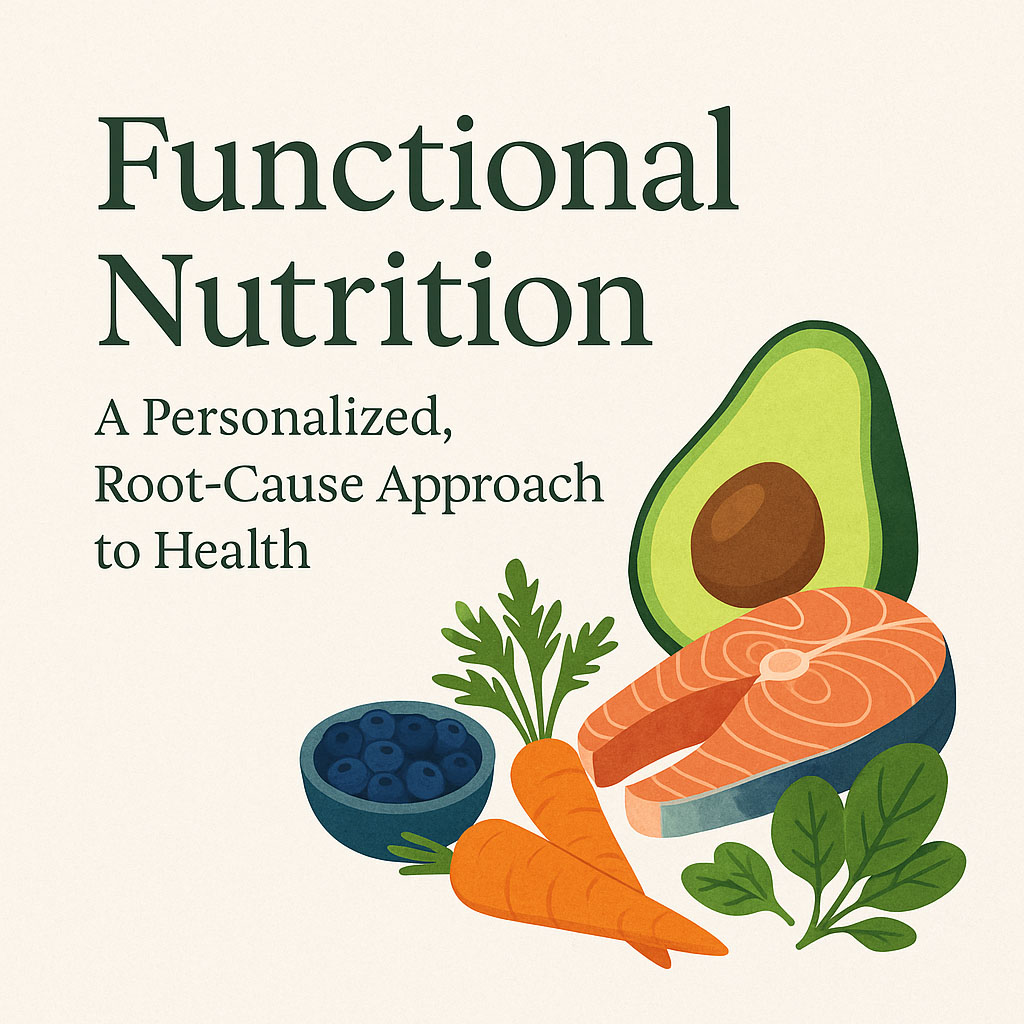
The modern workday demands a lot from our brains—mental clarity, sharp focus, quick decision-making, and the energy to sustain it all from morning to evening. Yet, many professionals unknowingly sabotage their cognitive performance by neglecting one of the most powerful tools they have: nutrition.
Welcome to the world of biohacking nutrition—where functional foods, strategic timing, and targeted nutrients converge to support brain health and elevate mental performance. In this guide, we’ll unpack how you can harness simple, evidence-backed strategies to stay sharp, focused, and resilient throughout your 9-to-5.
The Brain-Food Connection
Your brain consumes a significant portion of your body’s energy—about 20%—despite being only 2% of your body weight. It’s metabolically active, requiring a constant supply of glucose, essential fats, amino acids, and micronutrients to function optimally.
When you skip meals, rely on ultra-processed snacks, or overload with caffeine and sugar, your brain pays the price. Brain fog, mood swings, fatigue, and irritability creep in—often interpreted as “burnout” or “lack of motivation” when it’s actually biochemical imbalance.
Timing Matters: The Power of Nutrient Rhythm
Biohacking isn’t just about what you eat—it’s about when. Emerging research supports the idea that your circadian rhythm (your internal body clock) influences how your body metabolizes nutrients. Aligning your food intake with these natural rhythms can enhance alertness, focus, and sleep quality.
Morning: Fuel up with a balanced breakfast that includes complex carbohydrates (like oats or quinoa), protein (eggs, tofu, or Greek yogurt), and healthy fats (avocado, nuts). This stabilises blood sugar and sets a foundation for neurotransmitter production.
Midday: This is when your cognitive demand peaks. Prioritise nutrient-dense meals with lean proteins (chicken, tempeh), leafy greens, fermented foods, and smart carbs. Avoid heavy, greasy meals that lead to the notorious afternoon slump.
Afternoon Slump Strategy: Instead of reaching for another coffee, opt for a brain-boosting snack: walnuts, dark chocolate, green tea, or berries. These contain polyphenols, omega-3s, and antioxidants that protect brain cells and sustain energy.
Evening: Minimise heavy carbs and sugars. A light dinner with magnesium-rich foods (leafy greens, pumpkin seeds) can aid in winding down and supporting sleep.
Smart Nutrients for Focus, Clarity, and Recovery
- Omega-3 Fatty Acids
- Found in: fatty fish (salmon, sardines), walnuts, chia seeds
- Role: Supports memory, learning, and mood by reducing inflammation and promoting healthy neuron function.
- B Vitamins (especially B6, B12, and folate)
- Found in: leafy greens, legumes, eggs, meat
- Role: Crucial for neurotransmitter synthesis, mental energy, and preventing cognitive decline.
- L-Theanine + Caffeine Combo
- Found in: green tea
- Role: Enhances alertness without the jitteriness of coffee alone. Promotes calm focus.
- Magnesium
- Found in: pumpkin seeds, almonds, spinach
- Role: Helps regulate stress response and supports restful sleep.
- Polyphenols & Flavonoids
- Found in: berries, dark chocolate, green tea, turmeric
- Role: Protect brain cells from oxidative stress and support mood.
Hydration: The Forgotten Cognitive Booster
Even mild dehydration can impair short-term memory, concentration, and mood. Aim for 2–3 litres per day, more if you’re active. Add a pinch of sea salt or a splash of lemon to enhance absorption and prevent electrolyte imbalance.
Pro tip: Start your day with a glass of water before coffee. Your brain will thank you.
Workplace-Friendly Strategies
- Prep Smart Snacks: Keep brain-friendly snacks like trail mix (pumpkin seeds, walnuts, dried blueberries), boiled eggs, or hummus with veggie sticks at your desk.
- Use the 3-Hour Meal Rule: Eat every 3–4 hours to maintain stable glucose levels and prevent energy crashes.
- Batch Lunches: Prepare lunch the night before with a focus on protein, fiber, and healthy fats.
- Mindful Eating: Step away from your desk, chew slowly, and savour meals. This aids digestion and reduces stress.
- Tech + Nutrition: Use habit tracker apps to remind you to hydrate, snack smart, and move every 90 minutes.
The Role of Adaptogens & Nootropics
For those seeking advanced biohacks, natural compounds like adaptogens (ashwagandha, rhodiola) and nootropics (lion’s mane mushroom, bacopa) can support stress resilience and cognitive endurance. Consult a practitioner before integrating these into your routine.
After-Hours Recovery: Supporting the Brain at Rest
Recovery is as crucial as performance. In the evening:
- Eat magnesium-rich, low-sugar meals
- Avoid blue light 2 hours before bed
- Try calming teas (chamomile, lemon balm)
- Consider a short gratitude journaling session to unwind
Sleep is when your brain consolidates memories, clears toxins, and resets. Don’t skimp on it.
Final Thoughts
Biohacking nutrition isn’t about perfection—it’s about intentional choices that align with your biology and your lifestyle. By making small, strategic shifts—choosing the right foods at the right times—you unlock sharper thinking, more stable energy, and long-term cognitive vitality.
Remember: food isn’t just fuel. It’s information. And when you feed your brain wisely, your entire day transforms.